
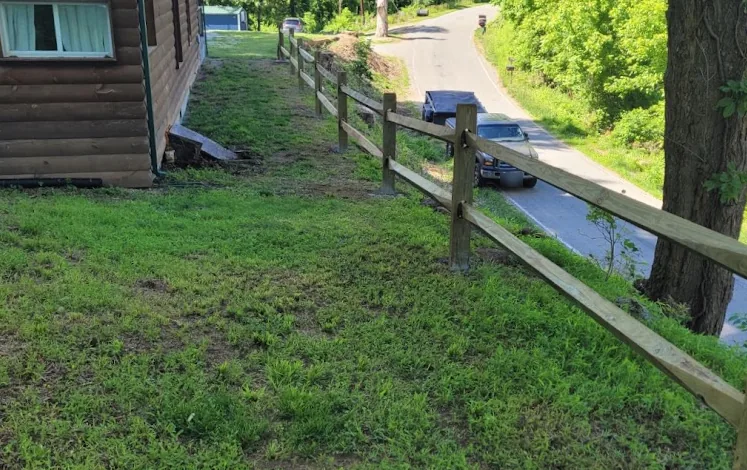
Fence Installation Planned Around Your Lines, Slope, And Use
Split rail, wood or vinyl privacy, metal, and pasture boundary fencing for properties across the Roanoke region, laid out around the ground it actually has to cross.
Hero photo: Cultured Roots.
A Fence Has To Work On Real Ground
Cultured Roots builds fences alongside the grading, wall, patio, and clearing work we already do. Our fence work covers a classic split rail look, private wood or vinyl fencing, metal fencing, and pasture boundary lines.
Most fence trouble starts before the first post goes in. A line that ignores slope, runoff, roots, rock, or a nearby wall ends up leaning, gapping, or holding water. We start with what the fence needs to do and where it has to run, then pick the style that suits both.
Fence Types We Install
Each style below is one Cultured Roots has offered publicly. The right choice depends on what the fence is for, how much of the view you want to keep, and the ground it crosses.
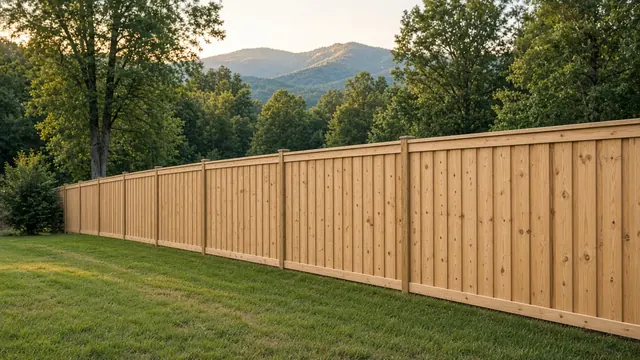
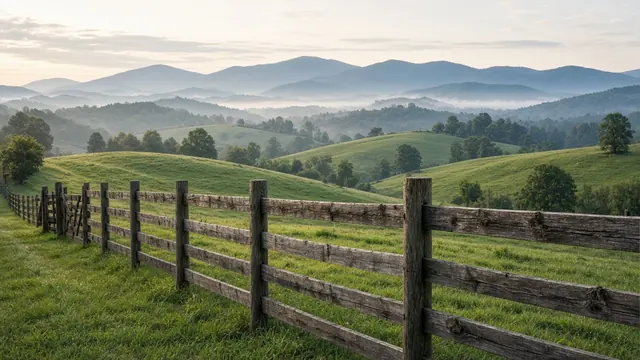
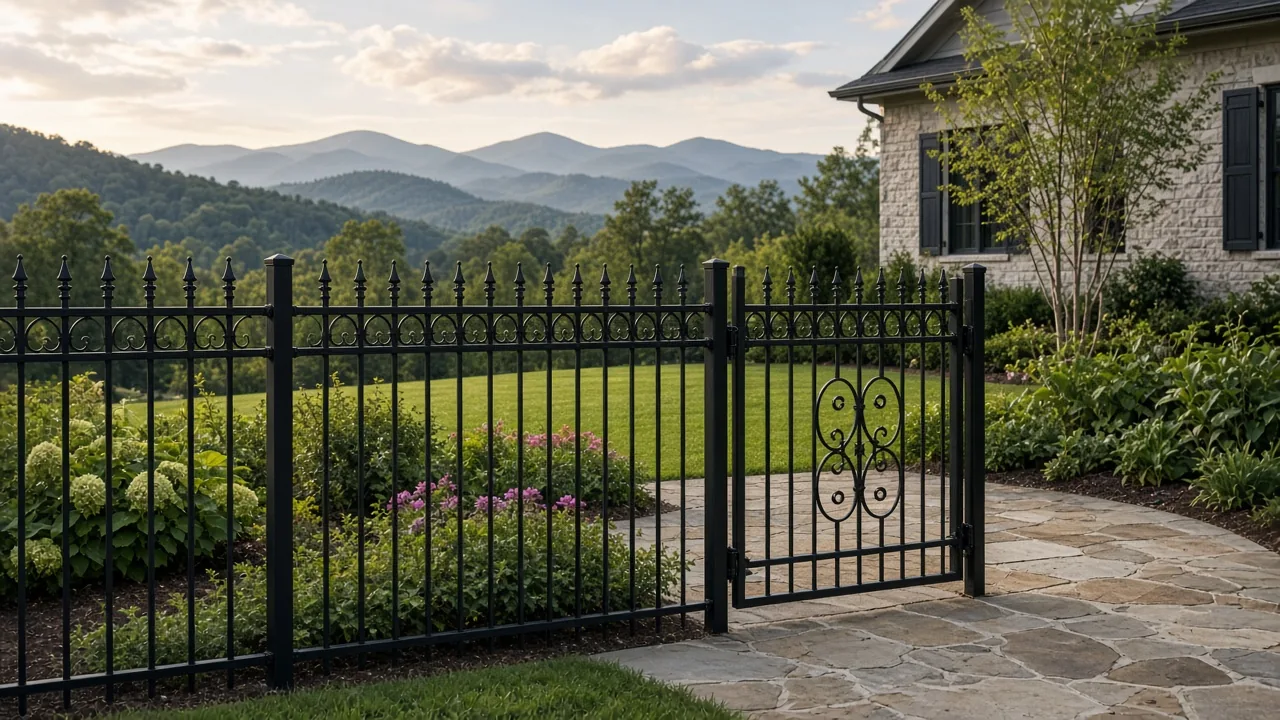
Metal Fencing
We also install metal fencing for owners who want a clean, durable edge that keeps sightlines open around a patio, garden, or front yard. Tell us what you have in mind and we can talk through the style and layout for your site.
What Shapes A Fence Project
A few site details decide most of the scope. Sharing them early gets you a clearer answer faster.
- The line itself. Know where your property pins or survey lines are. If the boundary is unclear, confirm it before any posts go in.
- Slope and grade. Fences on sloped lots are either stepped or run with the grade. The choice changes how the fence looks and how panels fit.
- Water. Low spots, swales, and downspout runoff affect post holes and the bottom of solid panels.
- What is underground. Virginia 811 must be contacted before digging, and private lines (wells, septic, lighting, irrigation) need marking too.
- Rules for your parcel. Height, setback, and style limits vary by locality and HOA. Check them for the actual property before choosing a design.
- Gates and access. Plan gate locations for mowers, equipment, and everyday paths, not just foot traffic.
Fencing Alongside Walls, Patios, And Grading
Because we also build retaining walls and patios, we look at how a new fence meets them. A fence near the top of a wall needs room for drainage and footings. A privacy fence around a patio should line up with doors, seating, and how you walk out to the yard.
If the yard needs grading first, it is usually best to finish grade, then set the fence line, then restore the lawn. Our guide on fence lines, grade, and drainage walks through that order.
Questions That Shape The Project
The Fence's Job
Privacy, pets, livestock, a boundary, or a visual frame: the purpose drives height, style, and spacing.
Ground Conditions
Slope, rock, roots, and wet areas affect post depth, spacing, and how the line is laid out.
Nearby Features
Walls, patios, driveways, trees, and utilities all influence where posts can safely go.
Parcel Requirements
Locality and HOA rules on height, setbacks, and style must be checked for the property.
From First Conversation To A Clear Scope
Share The Line
Send wide photos of the full fence route, the approximate length, and any gates you need.
Pick The Style
Match split rail, privacy, metal, or pasture fencing to the fence's purpose and the view you want.
Check The Site
Review slope, water, utilities, property lines, and any HOA or locality limits.
Confirm The Scope
Agree on layout, materials, gates, cleanup, and restoration before work begins.
Fencing Questions, Answered.
What kinds of fences does Cultured Roots install?
Do I need to know my property line before a fence goes in?
Can you build a fence on a slope?
Who calls Virginia 811 before fence posts are dug?
Can a fence be added near a retaining wall or patio?
What should I send with my fence request?
Planning A Fence Project?
Share the property location, what you want to change, and any site details or photos that may help.